

Rāgamālā, or “Garland Of Rāgas,” is a painting tradition that personifies Indian classical musical modes as human figures, capturing specific moods, seasons, and times of day.
Originating from earlier musical theories like the Nāṭyaśāstra, rāgas evolved into emotional symbols by the 16th century, depicted in illustrated series within narrative and devotional contexts. This tradition also adapted regionally, particularly in Nepal during the Malla period, where music, poetry, and visual art were interconnected. Rāgamālā embodies the convergence of sound, image, and aesthetic philosophy, transforming music into a visual experience.
Sneha
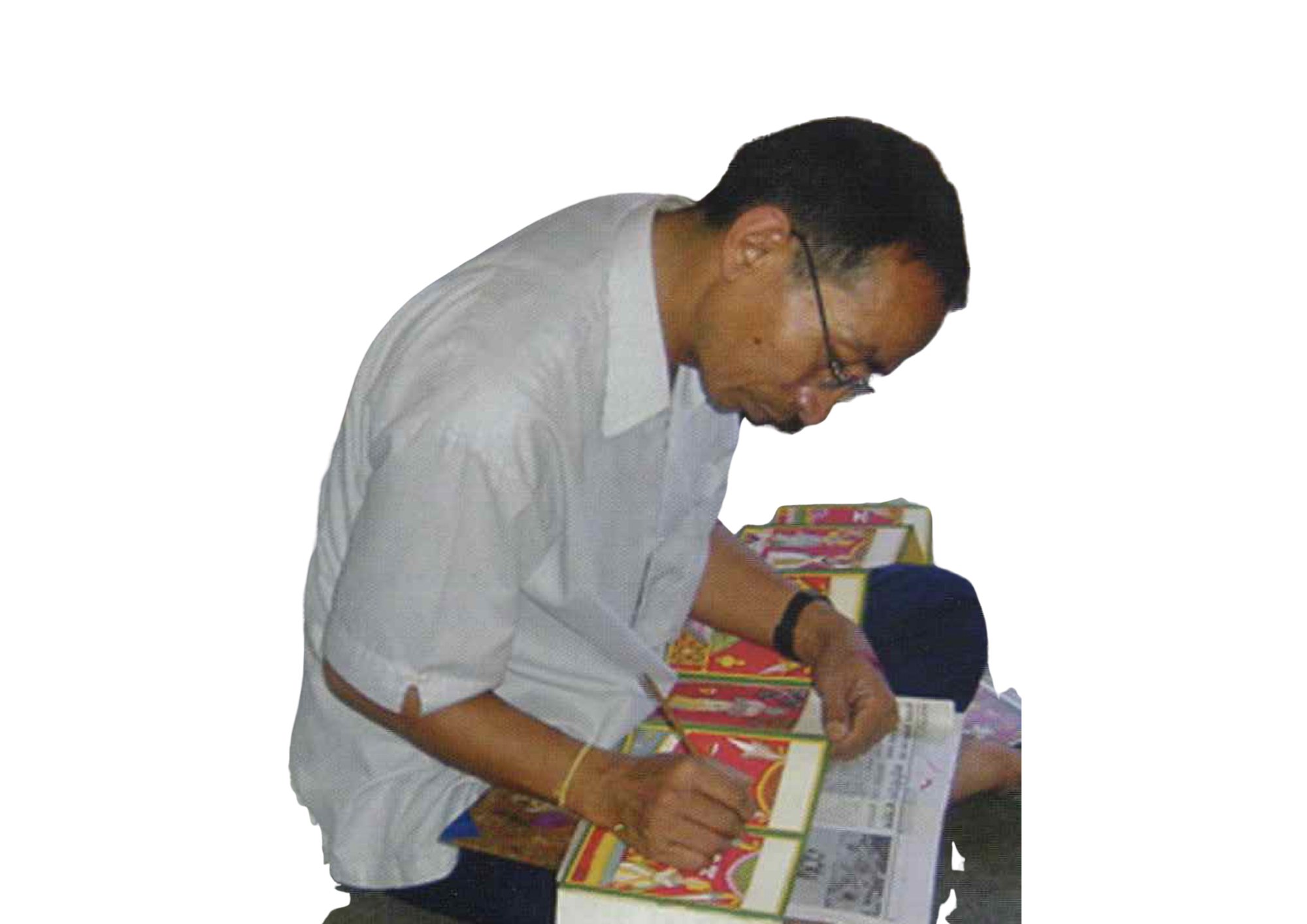
Born in Bhaktapur in 1952 into a lineage of traditional Newar painters, Madhu Chitrakar carries forward a legacy shaped through generations. From paubha paintings and woodblock prints to ritual objects and healing body art, his work reflects a rare depth of skill and scholarship, sustaining tradition while allowing it to live and evolve.